Solutions to reduce
traffic congestion

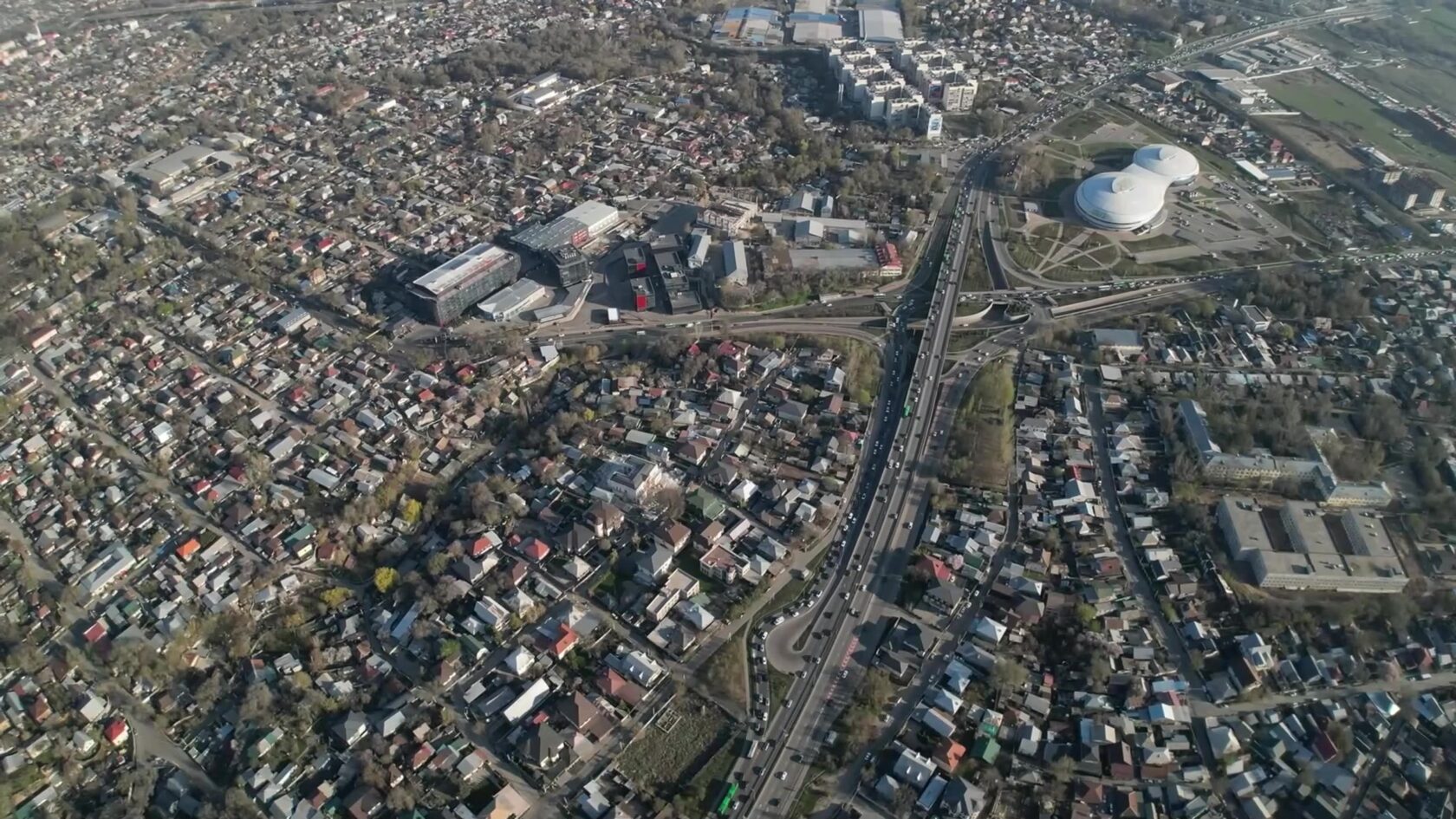
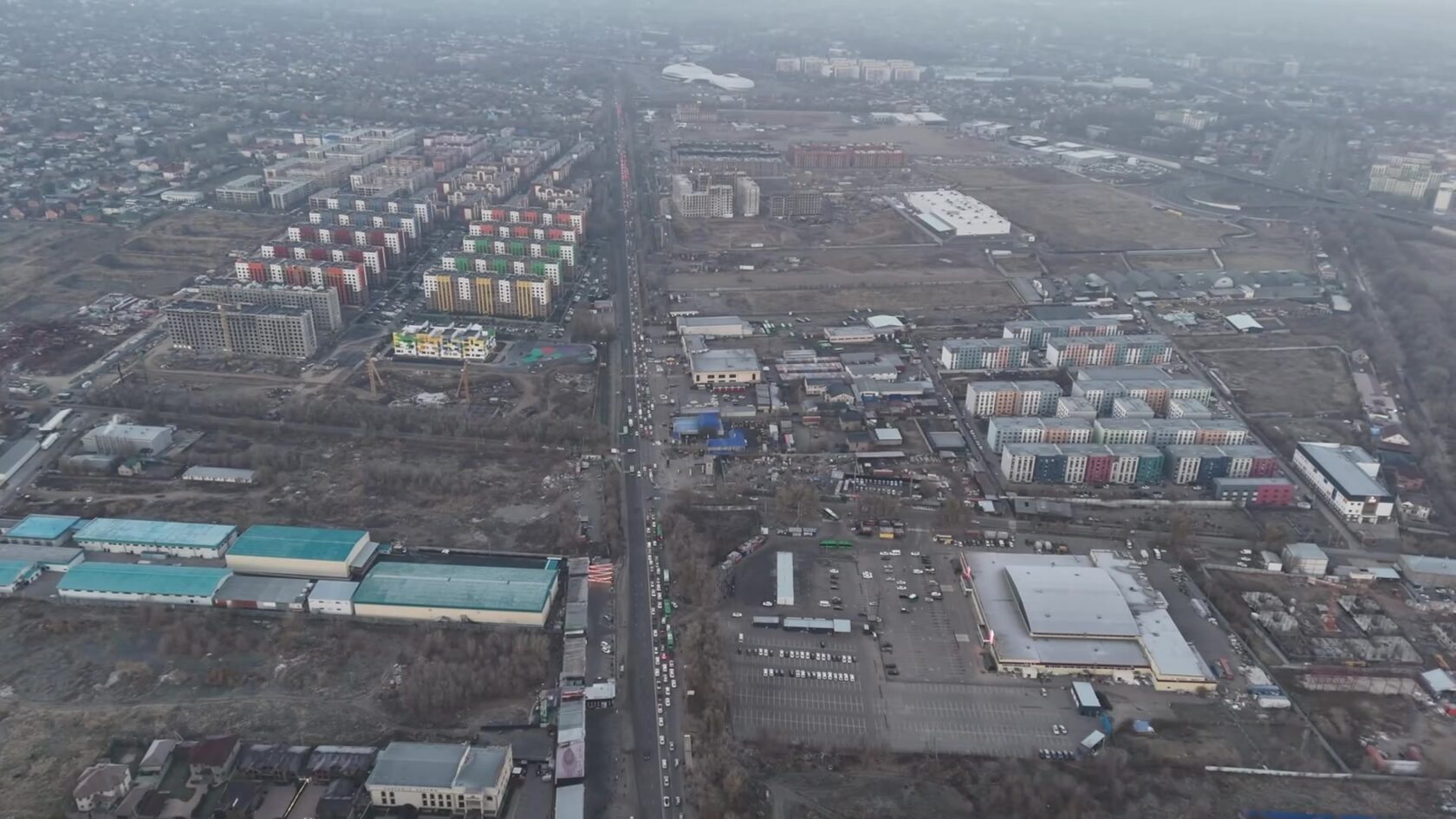
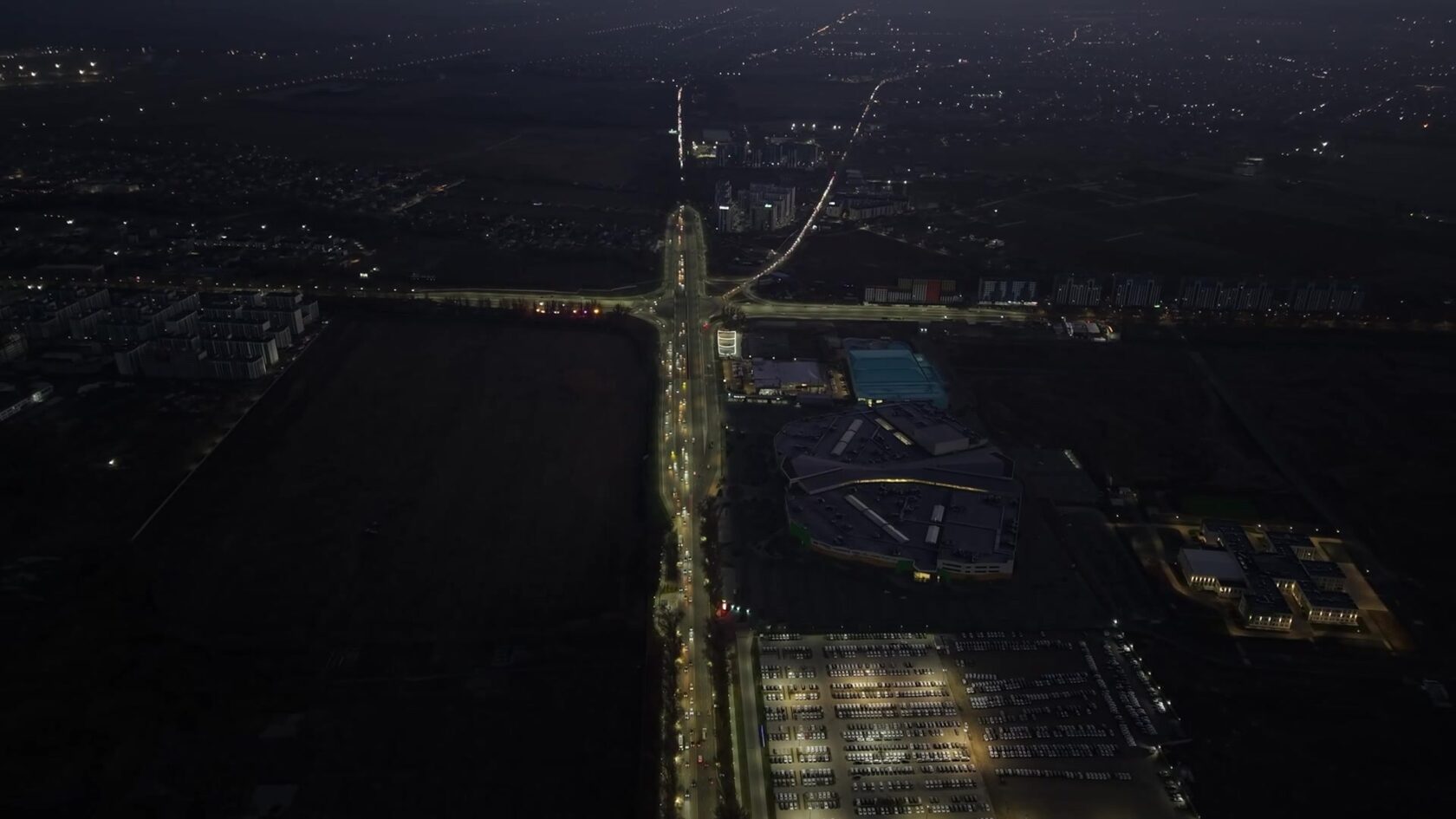
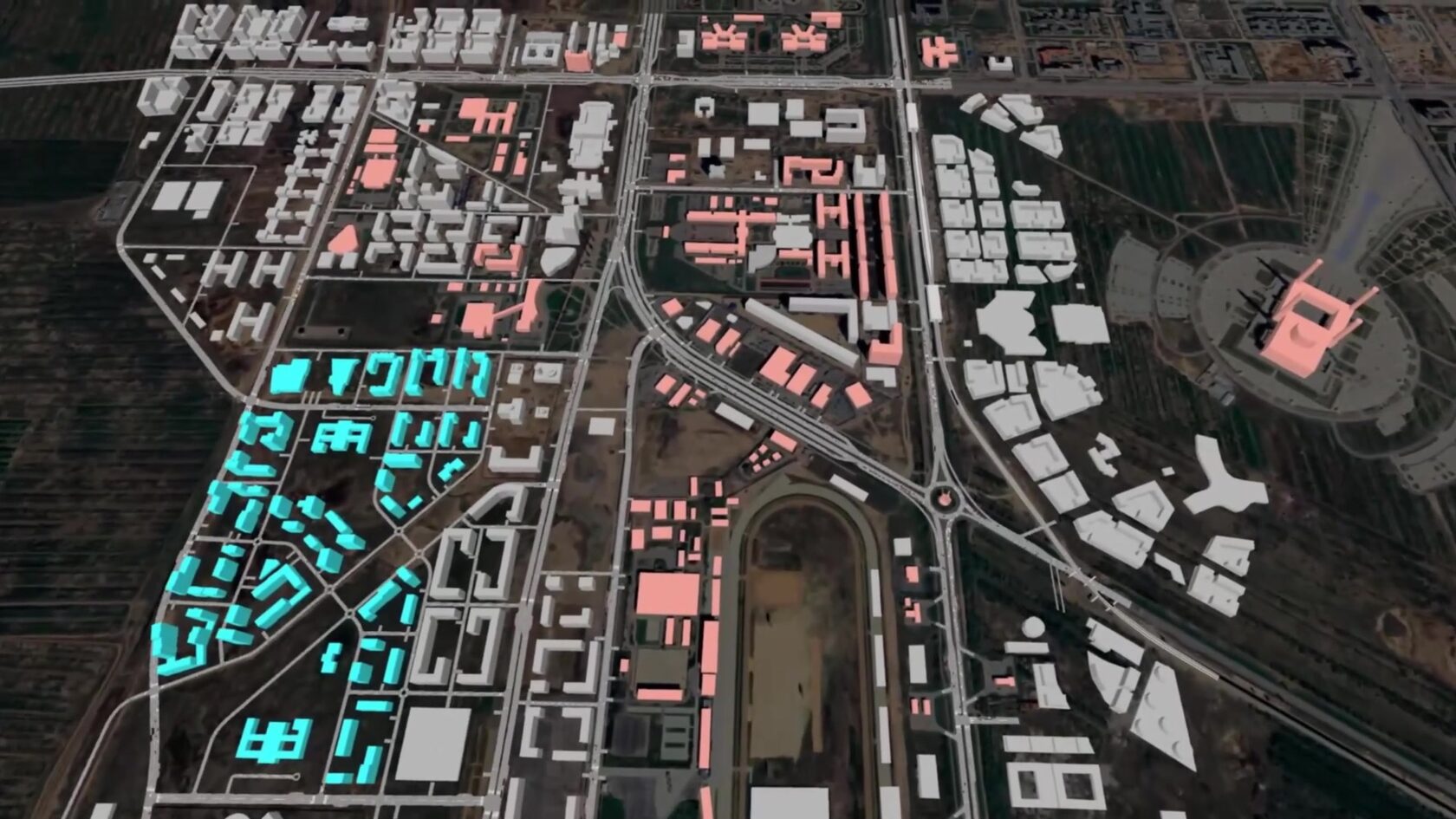
We identify the causes of congestion, develop engineering measures and test their impact in a transport model before implementation.

Which measures suit your site?

Traffic signal optimisation

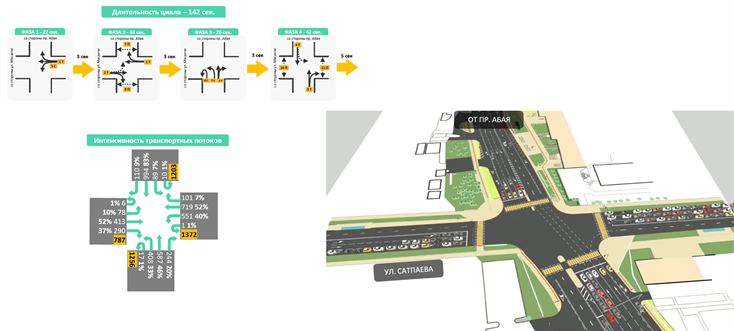
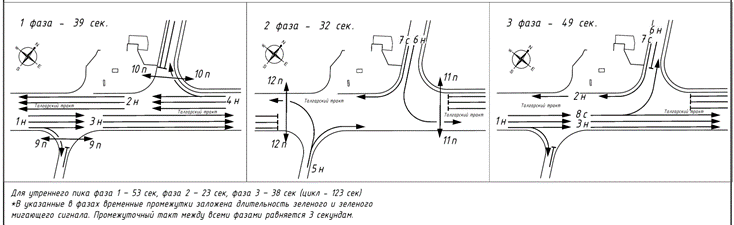
We assess signal timings and coordination based on traffic flows, pedestrian crossings and site conditions.
What we study

Traffic volumes by direction, queues and existing signal timings.

What can change

Phase duration and order, movements served, and coordination between signals.

How we check

We compare the agreed options in the transport model.
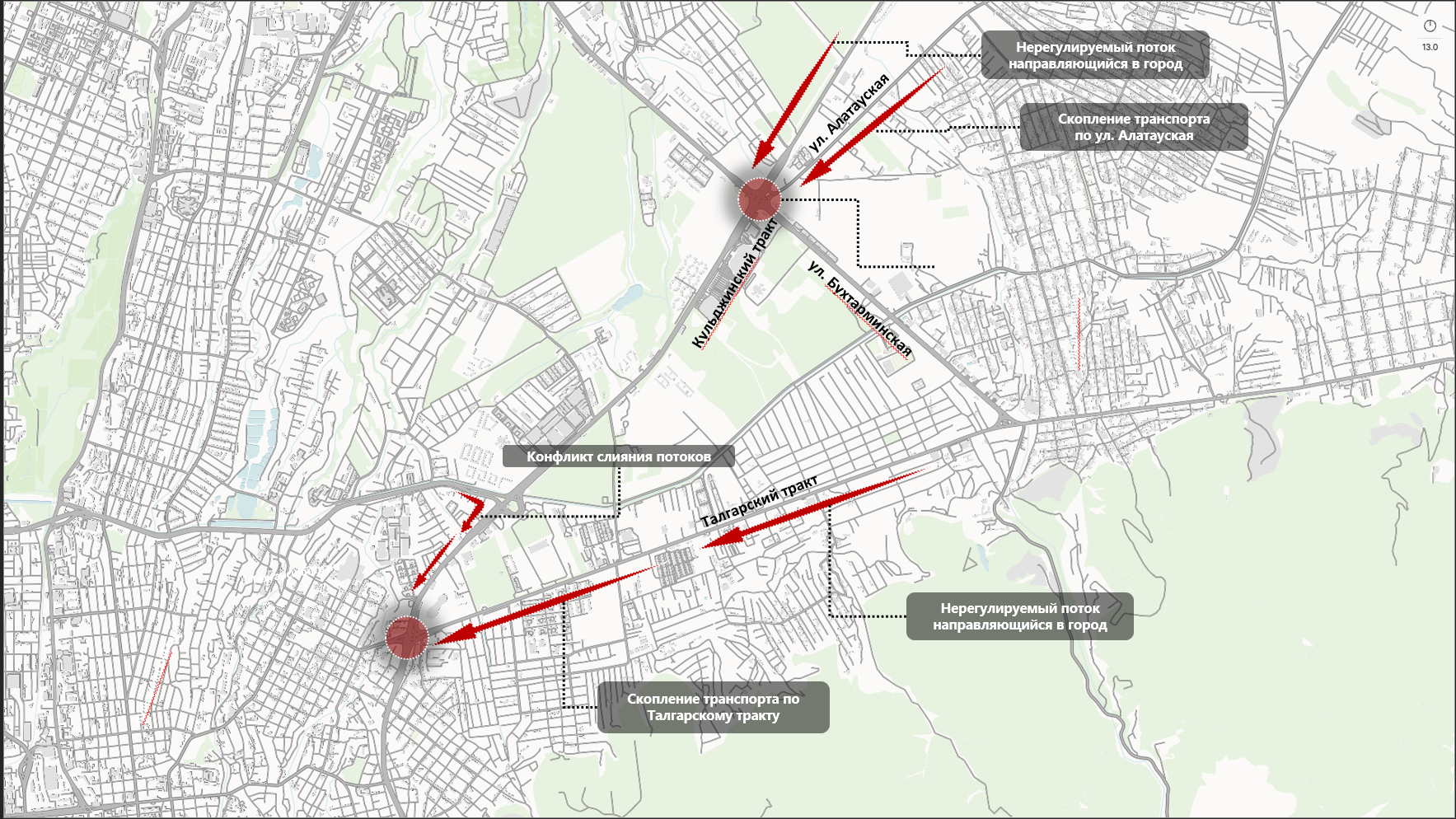
We start by identifying the cause

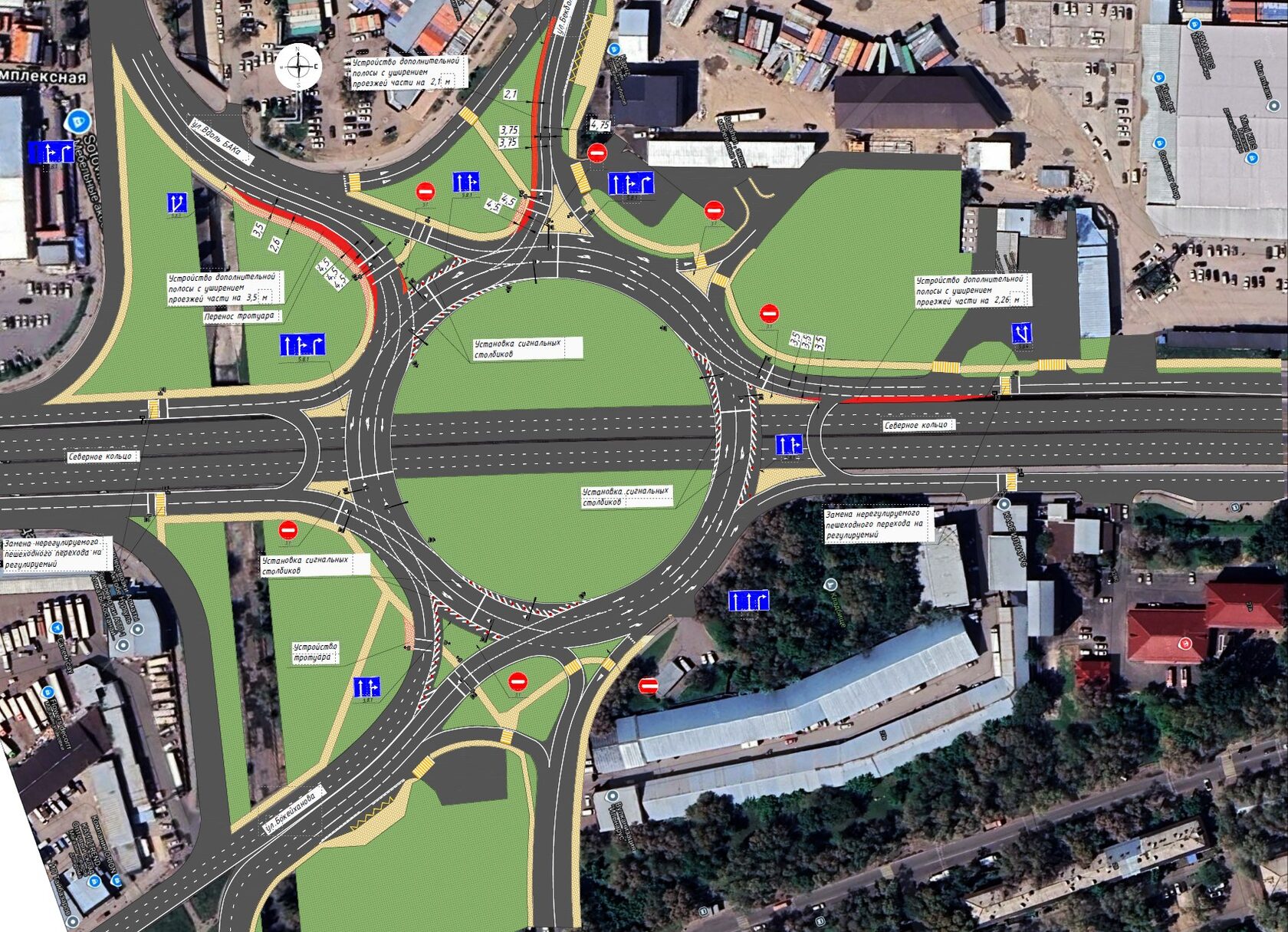
Heavy demand on a particular approach

We examine traffic volumes, lane use and how the approaches operate.

Conflicting manoeuvres

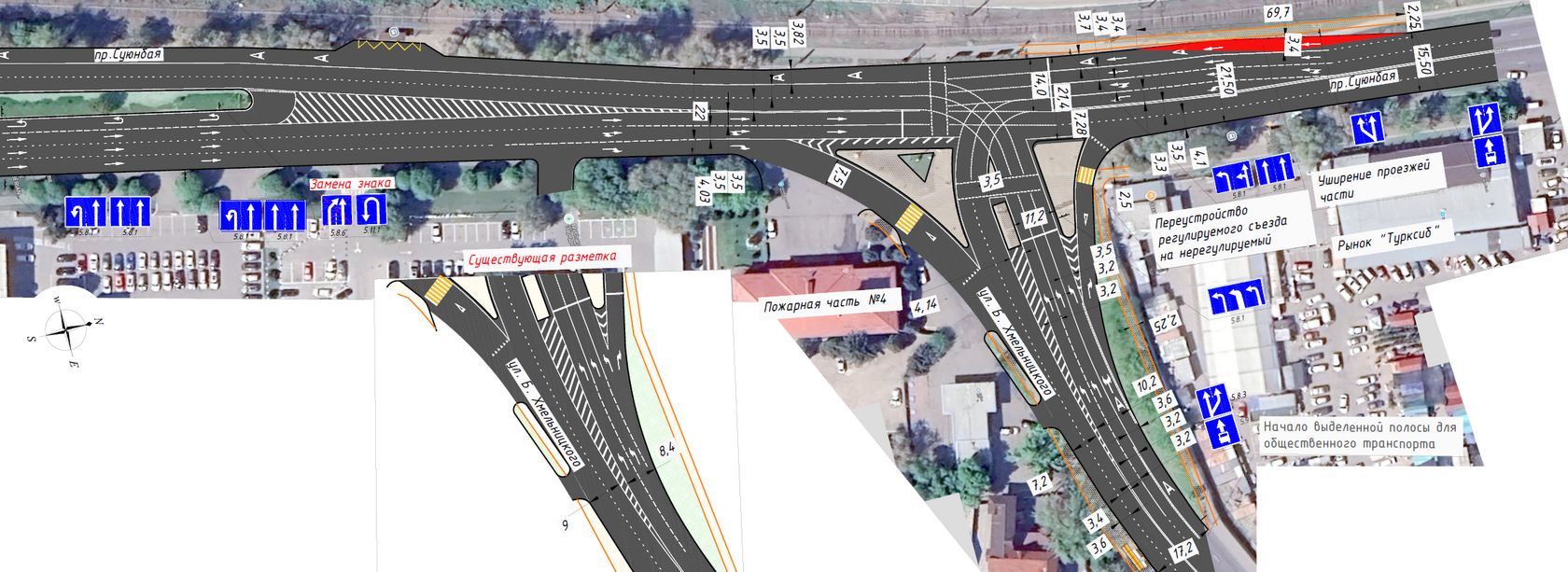
We check turns, side-road connections and crossing movements that could affect junction performance.

Poor coordination between movements

We look at public transport, pedestrian routes and connections to adjacent streets.

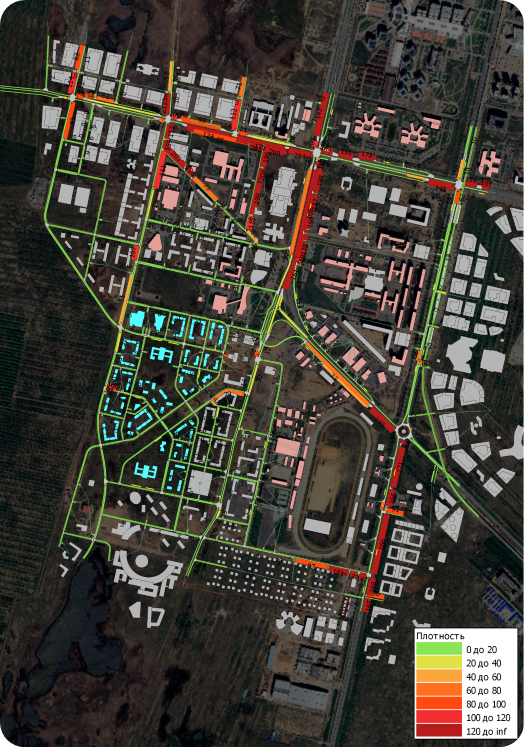
Modelling the design and proposed scenarios

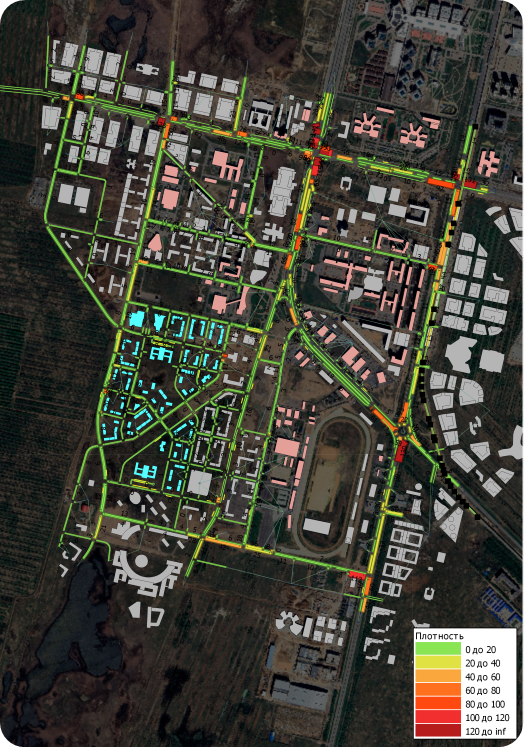
We test both options for the same area, under comparable assumptions and for the same assessment period.

Design scenario
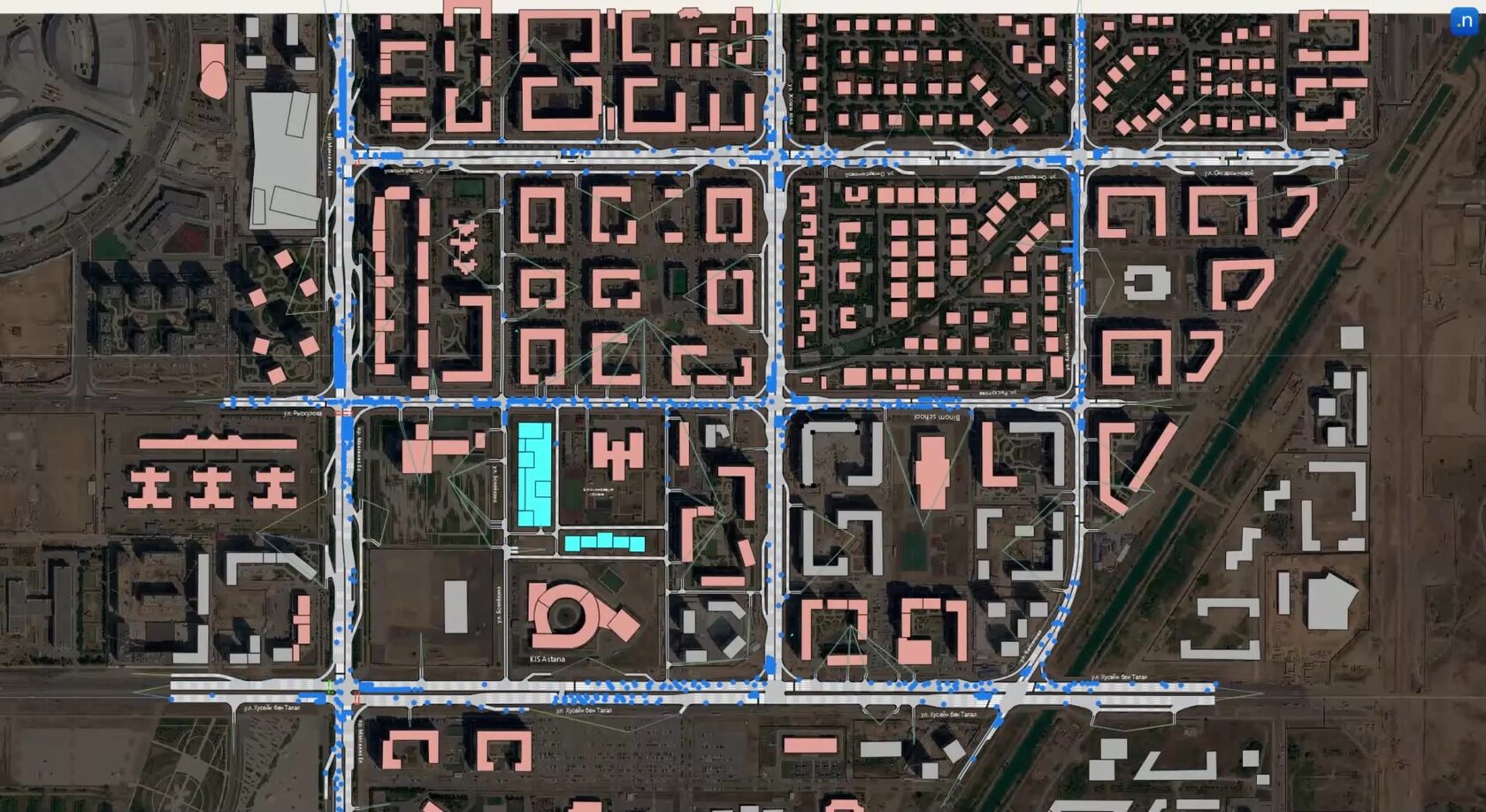
Design scenario: traffic density map
Proposed scenario
Proposed scenario: traffic density map

Key performance indicators

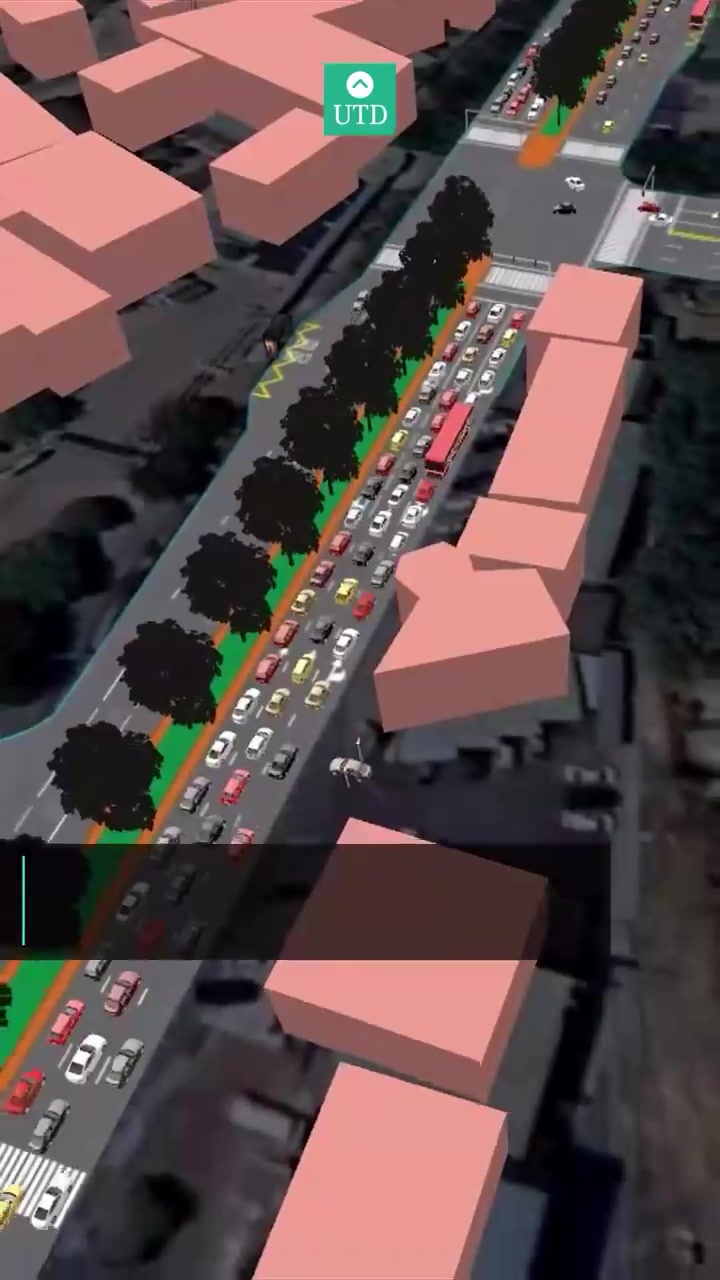
Queues

How queues form and spread along the approaches.

Delays

Waiting conditions on road sections and at junctions.

Travel time

Travel along the routes under study.

Network performance

Redistribution of traffic onto nearby streets.

We assess effects beyond the junction

Open video
Developing
measures for the surrounding network

Neighbouring streets

We check how changes at the site affect demand on nearby streets and how queues spread.

Public transport

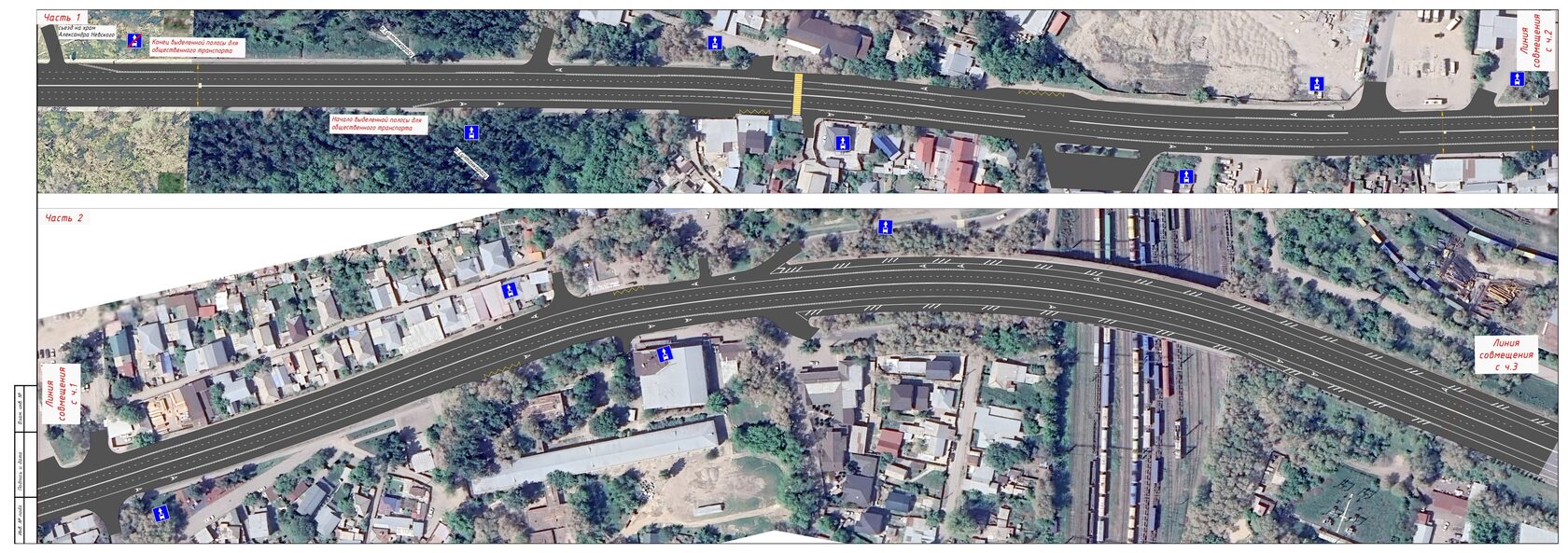
We assess potential effects on traffic along the corridor and how flows interact.

Pedestrian connections

We account for walking routes and where pedestrians cross traffic in the options under review.

How we work

Open video
  1. 01

    Collect data and assess conditions

    We study existing traffic arrangements, flows, queues, constraints and site characteristics.

  2. 02

    Develop and model options

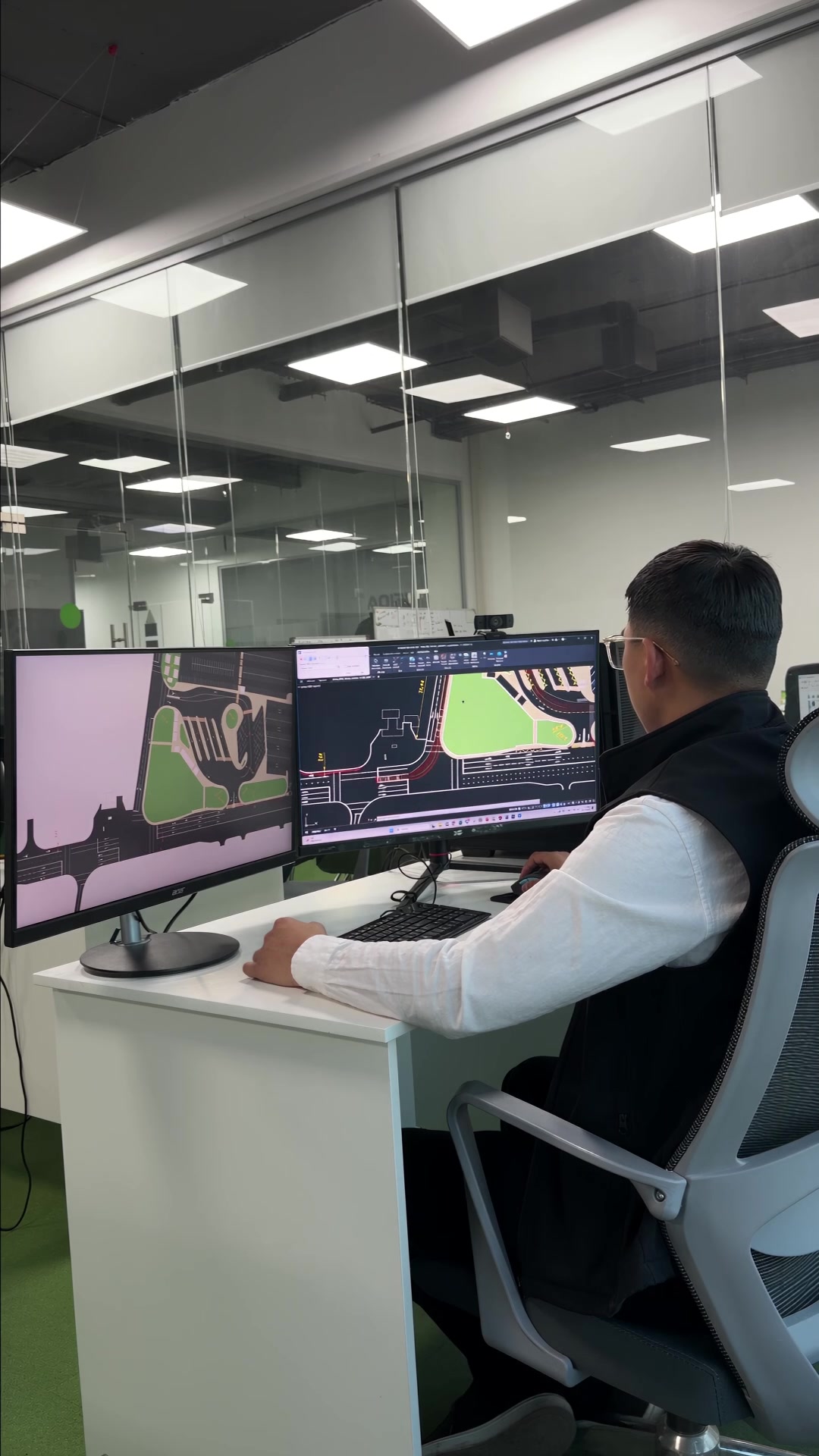
    We develop an agreed set of measures and test the proposals in the model.

  3. 03

    Compare scenarios

    We assess the impact on selected indicators for the site and the surrounding network.

  4. 04

    Recommend measures

    We provide a list of measures with supporting evidence and, where requested, an order for developing them further.

What clients receive

Evidence-based measures

Proposals that address the causes of congestion and the site's constraints.

An assessment of network impacts

A model-based comparison of options and their effects on adjacent routes.

Priorities and phasing

Recommendations on further design and sequencing, within the agreed scope.

Materials for the next design stage

Plans, explanatory notes and modelling results as set out in the terms of reference.

Open video
SITE MAP
  • About the company
  • Applied technologies
  • Types of projects
  • News
  • Contacts
  • Privacy Policy
Contacts
  • office@utd.kz
  • +7 701 667 85 39
subscribe
TOO Universal Tech Decisions
BIN 231040042103
All rights reserved